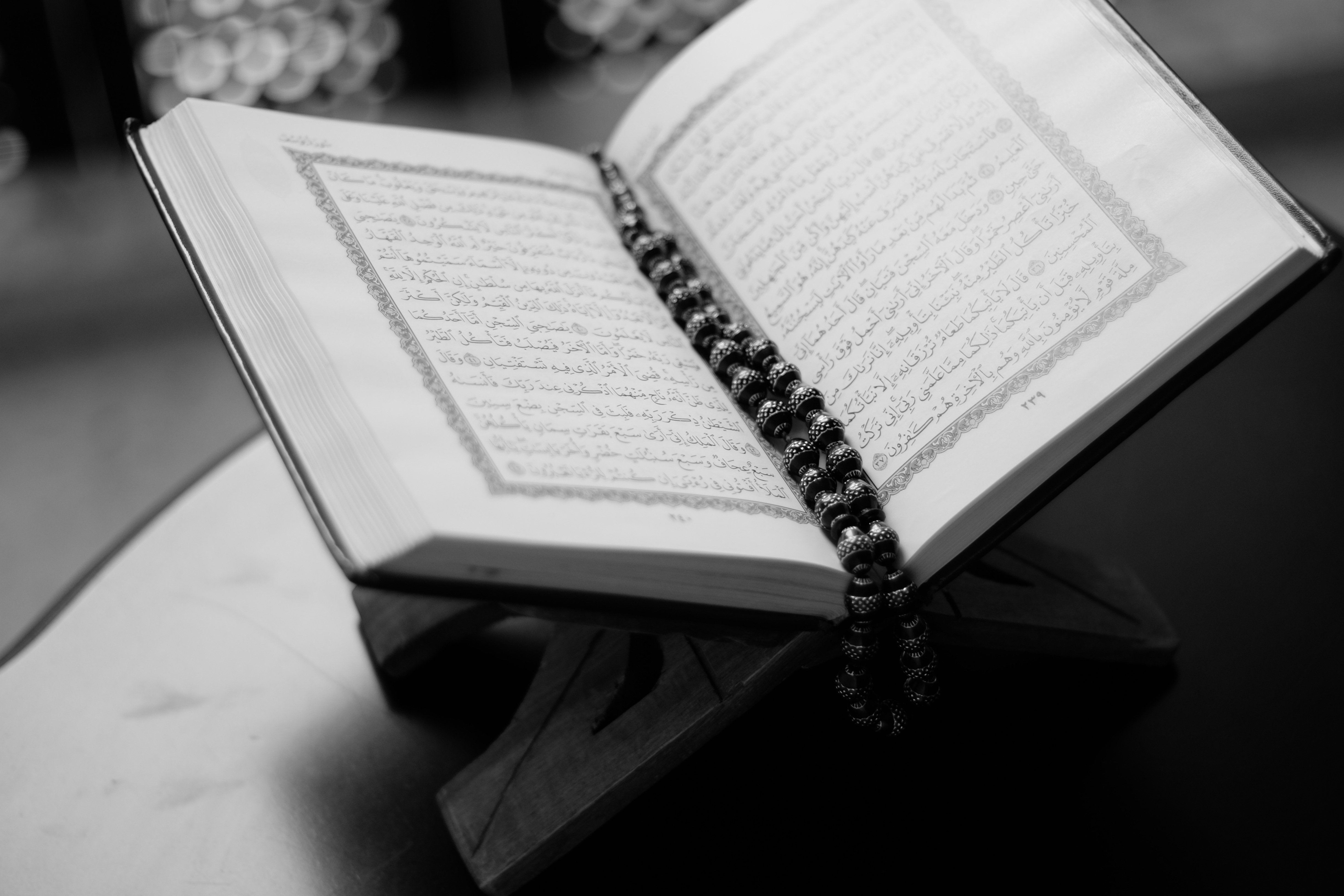
The short answer: most students reach a functional Tajweed level — meaning they can recite the Quran correctly and independently — within 3 to 6 months of regular classes. But there are several factors that affect this timeline significantly, and understanding them will help you plan your learning journey realistically.
What Does "Learning Tajweed" Actually Mean?
Before we give timelines, it helps to define what we mean. Tajweed has different levels:
- Basic Tajweed — knowing and applying the most important rules: Noon Sakinah, Meem Sakinah, Madd, and Qalqalah. This is what most students aim for initially.
- Intermediate Tajweed — applying all rules correctly during recitation without needing to think about them consciously.
- Advanced Tajweed — reciting with full fluency, correct rhythm (Tarteel), and knowledge of advanced rules like Waqf and Ibtida.
Most online Tajweed courses — including ours — take students from zero to intermediate level. Advanced fluency comes with years of continued practice.
How Long Does It Take — By Level
Complete Beginners (Cannot Yet Read Arabic Fluently)
If you are starting from scratch — meaning you cannot yet read Arabic script fluently — you should first complete a Noorani Qaida or basic Quran reading course before starting Tajweed formally. This typically takes 2–4 months with 3 classes per week.
Once you can read Arabic, you are ready to start Tajweed. Total time from absolute beginner to functional Tajweed: approximately 6–9 months.
Students Who Can Read Quran But Have No Tajweed
This is the most common starting point. You can read the Quran but nobody ever taught you the rules properly. With 2–3 classes per week and daily practice:
- 3 months — Basic rules understood and applied in slow recitation
- 5–6 months — All major rules applied confidently in normal recitation
- 8–12 months — Fluent, natural recitation with Tajweed without having to consciously think about each rule
Students With Some Tajweed Knowledge
If you have studied Tajweed before — perhaps as a child at a local madrasa — but feel your recitation is still incorrect or inconsistent, a focused correction course can produce results in 2–3 months. The goal here is to identify your specific errors and systematically fix them.
The Three Factors That Affect Your Timeline Most
1. How Often You Attend Classes
This is the single biggest variable. Here is a realistic comparison:
- 2 classes per week — Basic Tajweed in approximately 6 months
- 3 classes per week — Basic Tajweed in approximately 4–5 months
- 5 classes per week — Basic Tajweed in approximately 3 months
More frequent classes mean faster progress — but only if you are also practicing between sessions.
2. How Much You Practice Between Classes
This is the factor most students underestimate. Your teacher corrects you during class — but the real learning happens between classes, when you practice what was taught. Students who practice 15–20 minutes daily between sessions progress two to three times faster than students who only recite during class.
The minimum recommended practice is 15 minutes of Quran recitation daily, applying the rules covered in your most recent lesson.
3. Your Age
Children aged 6–12 typically memorize Tajweed rules and adjust pronunciation faster than adults. However, adults have a significant advantage: they understand explanations more quickly, are more disciplined about practice, and are usually more motivated. In our experience, committed adults often match or exceed children's progress rates once they have established a consistent routine.
Why Tajweed Takes Longer to "Feel Natural"
Many students learn all the Tajweed rules within a few months — but they notice that applying them during recitation still feels effortful and unnatural. This is completely normal.
Learning a rule intellectually is different from applying it automatically. The transition from "I know this rule" to "I apply this rule without thinking" takes repetition — typically 3–6 months of consistent recitation after the rules are learned. This is why we always tell students: completing a Tajweed course is not the end of the journey. It is the beginning of fluency.
How to Make Progress Faster
- Listen daily — listen to Quran recitation by master reciters (Sheikh Mishary Rashid, Sheikh Abdul Basit) for 10–15 minutes daily. Your ears learn the sound of correct Tajweed even when you are not actively studying.
- Record yourself — record your recitation on your phone and listen back. You will notice errors that neither you nor your teacher caught in the moment.
- Focus on one rule at a time — do not try to apply every rule simultaneously. After each class, focus specifically on the rule you just learned.
- Do not skip classes — consistency matters more than session length. Two 30-minute sessions per week consistently is far more effective than five sessions one week and none the next.
What Happens After You "Learn" Tajweed?
After completing a structured Tajweed course, many students ask: what next? The answer depends on your goals:
- If you want to memorize the Quran (Hifz) — you are now ready. Tajweed is the foundation that makes memorization accurate and lasting.
- If you want to understand the Quran — consider joining a Quranic Arabic course next. Knowing how to recite correctly while understanding the meaning transforms the experience of reading the Quran completely.
- If your goal was correct recitation in Salah — you have achieved it. Continue reciting daily to maintain and deepen your fluency.
Start With a Free Trial Class
The best way to get a personalized timeline is to start with a free trial class at Tarteelul Quran Academy. In one session, your teacher will assess your current level, identify your specific pronunciation errors, and give you a realistic estimate of how long your personal Tajweed journey will take.
There is no commitment, no credit card required, and no pressure. You will leave the trial class with a clear picture of where you are and exactly what you need to do to reach where you want to be.
Book your free Tajweed trial class today →